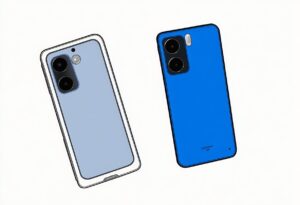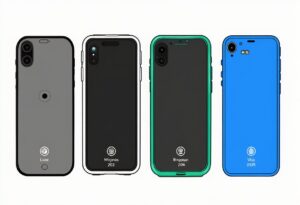
The iPhone 18 Pro 2026 lineup is shaping up to be the most significant refresh in years. We’re not just getting the expected iPhone 18 Pro and Pro Max — Apple is also launching its first-ever foldable iPhone. From the A20 Pro 2nm chip to a revolutionary variable aperture camera system, here’s everything we know about Apple’s fall 2026 smartphones.
We’ve compiled the latest leaks, analyst reports, and supply chain information to give you our most complete picture of what’s coming. Some of these features could still change before the September launch, but the broad strokes are clear.
The 2026 iPhone Lineup: What’s Launching
For the first time, Apple’s fall iPhone launch will include three distinct devices:
If you’re budgeting for Apple’s ecosystem, check out our guide to the best student laptops for 2026 for alternatives at every price point.
- iPhone 18 Pro (6.3-inch) — The mainstream Pro model
- iPhone 18 Pro Max (6.9-inch) — The large Pro model with the best camera system
- iPhone Fold — Apple’s first foldable device, a book-style folding phone
Notably, there is no standard iPhone 18 in this lineup. According to MacRumors, Apple is saving the base iPhone 18 for a spring 2027 launch, creating a six-month gap between the Pro models and the standard model. This is a significant shift in Apple’s product cadence.
The iPhone 17 and 17 Plus from 2025 will remain in the lineup as the affordable options, likely at reduced prices.
iPhone 18 Pro: Design and Display Changes
The iPhone 18 Pro continues the titanium design language introduced with the iPhone 15 Pro, but with refinements:
- New colour: “Dark Cherry” titanium joins the lineup, replacing Blue Titanium. It’s described as a deep, rich burgundy that shifts between red and brown depending on the light.
- Thinner bezels: Apple is further reducing display bezels, making the screen-to-body ratio even more impressive.
- Camera module redesign: The rear camera housing is slightly repositioned to accommodate the new variable aperture system.
- Lighter weight: Further titanium optimisation reduces weight by approximately 5g compared to the iPhone 17 Pro.
The display itself is expected to feature Apple’s latest OLED technology with improved brightness (up to 2,500 nits peak outdoor) and ProMotion 120Hz adaptive refresh rate. Rumours of under-display Face ID have been circulating, but most analysts now expect this technology to arrive in 2027, not 2026.
A20 Pro Chip: The First 2nm Smartphone Processor
The A20 Pro is arguably the most important upgrade in the iPhone 18 Pro. Built on TSMC’s 2nm process, it’s the first smartphone chip manufactured at this node.
What 2nm means in practice:
- 15-20% better performance at the same power level compared to the A19 Pro’s 3nm process
- 25-30% better power efficiency, translating to better battery life
- More neural engine cores for on-device AI processing — critical as Apple Intelligence features expand
- Faster GPU with hardware ray tracing support, closing the gap with Qualcomm’s Adreno GPUs
The 2nm process is expensive — TSMC charges significantly more per wafer than 3nm. This is one reason why Apple is reportedly increasing iPhone 18 Pro prices. The chip alone costs substantially more to manufacture.
For Apple Intelligence, the A20 Pro’s enhanced neural engine will enable more complex on-device AI features, including improved Siri capabilities, real-time translation, and advanced photo editing — all processed locally without sending data to the cloud.
Camera System: Variable Aperture Arrives
This is the headline feature. The iPhone 18 Pro introduces a variable aperture main camera — a first for iPhones and a feature previously only found on Android flagships from Samsung and Xiaomi.
What variable aperture does:
- Manual depth of field control: Adjust how much of your photo is in focus, from a sharp landscape (f/5.6) to a dreamy portrait (f/1.4)
- Better low-light performance: Open the aperture wide in dark conditions to capture more light
- Sharper landscapes: Stop down the aperture for edge-to-edge sharpness in landscape photos
- Cinematic video control: Change aperture during video recording for professional-looking focus pulls
The main camera is expected to use a new 48MP sensor with the variable aperture mechanism, while the ultrawide and telephoto cameras receive incremental improvements. The Pro Max model may get an upgraded 48MP telephoto with longer optical zoom.
This is the biggest camera upgrade since Apple moved from 12MP to 48MP with the iPhone 14 Pro. It fundamentally changes how you use the iPhone camera, giving you real creative control rather than relying on computational photography alone.
Dynamic Island: Smaller but Still Present
The Dynamic Island isn’t going away, but it is getting smaller. Apple is reportedly using a smaller camera cutout and more compact Face ID sensors, reducing the Island’s footprint by approximately 20-25%.
This is a welcome change — the current Dynamic Island takes up significant screen real estate, especially on the 6.3-inch Pro model. A smaller Island means more usable display area and less intrusion when watching videos or playing games.
Under-display Face ID remains the ultimate goal, but the technology isn’t ready for prime time. Expect it to arrive in 2027 or 2028 at the earliest.
Battery and Charging Improvements
The A20 Pro’s efficiency gains, combined with a slightly larger battery, should deliver meaningful battery life improvements:
- iPhone 18 Pro: Estimated 2-3 hours more battery life than iPhone 17 Pro
- iPhone 18 Pro Max: Potentially the longest-lasting iPhone ever, with 30+ hours of video playback
Charging improvements are expected too. Apple is rumoured to be increasing wired charging speeds to 35-40W (up from 27W on current models) and MagSafe wireless charging to 25W. These are modest improvements compared to Android competitors offering 100W+ charging, but Apple prioritises battery longevity over charging speed.
iPhone Fold: Apple’s First Foldable
The iPhone Fold is the most speculative part of Apple’s 2026 lineup, but multiple reliable sources confirm it’s real and launching this fall.
What we expect:
- Book-style folding design: Folds horizontally like a book, with a cover display and a larger inner display
- 7.8-8.3-inch inner display: Essentially an iPad mini that fits in your pocket
- 6-inch cover display: Usable as a normal phone when folded
- Premium pricing: Expected to start at $1,799-1,999
- A20 chip (non-Pro): To manage thermals in the thinner folding form factor
Apple has reportedly been working on the foldable for over four years, waiting until the technology met their standards for durability and display quality. The crease — the visible fold line on foldable displays — is reportedly much less noticeable than on Samsung’s Galaxy Z Fold series.
The iPhone Fold won’t replace the Pro Max. It’s a new category aimed at users who want a phone and tablet in one device. Expect limited initial supply and very high demand.
Pricing and Availability
Based on analyst reports and supply chain information:
| Model | Expected Price | Storage |
|---|---|---|
| iPhone 18 Pro | $1,099+ | 256GB base |
| iPhone 18 Pro Max | $1,199+ | 256GB base |
| iPhone Fold | $1,799+ | 256GB base |
Yes, prices are going up. The iPhone 17 Pro starts at $999, so the iPhone 18 Pro represents a $100 increase. The 2nm chip, variable aperture camera, and tariff pressures all contribute to the higher price.
Apple typically announces new iPhones in the second week of September, with pre-orders starting that Friday and availability the following week. We expect the same timeline for 2026.
Frequently Asked Questions
When will the iPhone 18 Pro be released?
Apple is expected to announce the iPhone 18 Pro in September 2026, with availability likely in the second or third week of September. This follows Apple’s traditional fall iPhone launch schedule.
Is the iPhone Fold really coming in 2026?
Multiple reliable sources, including supply chain reports and analyst predictions, confirm the iPhone Fold is real and targeting a fall 2026 launch alongside the iPhone 18 Pro. However, Apple could delay it if quality standards aren’t met.
Should I wait for the iPhone 18 Pro or buy the 17 Pro now?
If you’re due for an upgrade and can wait until September, we’d recommend waiting. The variable aperture camera and A20 Pro chip are significant upgrades. If you need a phone now, the iPhone 17 Pro is excellent — but the iPhone 18 Pro will be a meaningful step up.
Will the iPhone 18 Pro be more expensive?
Likely yes. Analysts expect a $100 price increase due to the 2nm chip cost, variable aperture camera system, and tariff pressures. The iPhone 18 Pro is expected to start at $1,099 for 256GB.
Will there be a standard iPhone 18?
Not in September 2026. Apple is reportedly saving the standard iPhone 18 for a spring 2027 launch. The iPhone 17 and 17 Plus will serve as the affordable options in the fall 2026 lineup.
Conclusion
The iPhone 18 Pro and iPhone Fold represent Apple’s most ambitious smartphone lineup in years. The variable aperture camera alone makes the iPhone 18 Pro a compelling upgrade, and the A20 Pro’s 2nm process delivers meaningful performance and efficiency gains. Add the iPhone Fold as a completely new category, and Apple’s 2026 lineup has something for everyone in our view for everyone — assuming your budget can handle the price increases.
We’ll continue updating this article as new information emerges ahead of the September launch. If you’re planning to upgrade this year, the iPhone 18 Pro is shaping up to be worth the wait.