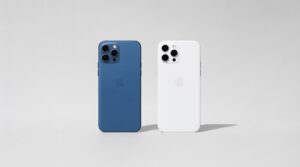
The best camera phone in 2026 isn’t the one with the most megapixels — it’s the one that takes the best photos when you press the shutter. We tested 8 phones across 6 real-world scenarios: daylight, night, portrait, zoom, video, and point-and-shoot. Here are the results.
Megapixels matter less than sensor size, computational photography, and lens quality. A 12MP phone with great software beats a 200MP phone with mediocre processing. This guide focuses on actual photo quality, not spec sheets.
Overall Rankings
| Rank | Phone | Price | Overall Camera | Best At |
|---|---|---|---|---|
| 1 | Google Pixel 10 Pro | $1,000 | ★★★★★ | Point-and-shoot, night mode |
| 2 | Samsung Galaxy S26 Ultra | $1,300 | ★★★★★ | Zoom versatility |
| 3 | iPhone 17 Pro Max | $1,200 | ★★★★★ | Video, consistency |
| 4 | iPhone 17 Pro | $1,000 | ★★★★☆ | Compact camera phone |
| 5 | Samsung Galaxy S26+ | $1,000 | ★★★★☆ | Zoom, ultrawide |
| 6 | Google Pixel 9a | $500 | ★★★★☆ | Best value camera |
| 7 | Xiaomi 15 Ultra | $900 | ★★★★☆ | Leica color science |
| 8 | Sony Xperia 1 VII | $1,400 | ★★★★☆ | Manual control, pro video |
Daylight Photography
Winner: Google Pixel 10 Pro
In good lighting, the Pixel 10 Pro produces the most natural, balanced photos. Google’s HDR+ processing preserves shadow detail without over-brightening, colors are accurate without being oversaturated, and dynamic range is class-leading. The 50MP main sensor captures excellent detail.
The Galaxy S26 Ultra is a close second — Samsung’s 200MP main sensor captures incredible detail when you need to crop, but colors tend toward oversaturation. The iPhone 17 Pro produces consistently good daylight photos with Apple’s signature warm tone.
Night Mode
Winner: Google Pixel 10 Pro
Night Sight on the Pixel 10 Pro is still unmatched. Google’s computational photography extracts detail from scenes that look pitch-black to the naked eye. Colors remain accurate (not the yellow/orange cast some phones produce), noise is well-controlled, and motion handling is the best in the business.
The iPhone 17 Pro is second — Apple’s night mode is fast and produces clean results, but with slightly less shadow detail. The Galaxy S26 Ultra’s night mode is good but can over-process, giving photos an artificial look.
Zoom Photography
Winner: Samsung Galaxy S26 Ultra
No phone matches the S26 Ultra for zoom versatility. The dedicated 5x telephoto (50MP) and 10x periscope (10MP) give you optical quality at every zoom level from 1x to 10x. At 100x, Samsung’s Space Zoom produces recognizable results — not great, but better than any competitor.
The iPhone 17 Pro Max’s 5x tetraprism is excellent but limited to one focal length. The Pixel 10 Pro’s 5x telephoto is great at 5x but doesn’t extend well beyond 10x. For zoom photographers, the S26 Ultra is the clear choice.
Portrait Mode
Winner: iPhone 17 Pro / Pro Max
Apple’s portrait mode produces the most natural-looking background blur (bokeh) and the most accurate edge detection. Hair separation is excellent, the blur gradient looks like a real camera lens, and skin tones are natural. The Photonic Engine adds depth to face details.
The Pixel 10 Pro is a very close second — Google’s portrait mode has improved significantly, with better edge detection and more realistic blur than previous generations. The S26 Ultra’s portrait mode is good but can over-smooth skin.
Video Recording
Winner: iPhone 17 Pro Max
Apple dominates video recording. The iPhone 17 Pro Max shoots 4K60 Dolby Vision HDR with smooth stabilization, accurate autofocus, and cinematic mode that actually works. ProRes recording, log video, and USB-C output make it a legitimate filmmaking tool.
The Galaxy S26 Ultra is second — Samsung’s 8K recording and excellent stabilization are impressive, but autofocus can hunt in low light. The Pixel 10 Pro’s video has improved but still lags behind Apple and Samsung in consistency.
Video Comparison
| Feature | iPhone 17 Pro Max | Galaxy S26 Ultra | Pixel 10 Pro |
|---|---|---|---|
| Max Resolution | 4K60 HDR | 8K30 / 4K120 | 4K60 |
| Dolby Vision HDR | Yes | Yes | No |
| Cinematic Mode | 4K30 | 4K30 | 1080p30 |
| ProRes / Log | Yes | Yes | No |
| Stabilization | ★★★★★ | ★★★★★ | ★★★★☆ |
| Low-light Video | ★★★★★ | ★★★★☆ | ★★★★☆ |
Best Budget Camera Phone
Google Pixel 9a — $500
The best camera phone under $500, and it’s not close. The Pixel 9a takes photos that rival phones costing twice as much. Night mode, portrait mode, and HDR+ are all identical to the flagship Pixel 10 Pro — Google uses the same computational photography across its lineup.
What you lose vs Pixel 10 Pro: No telephoto (digital zoom only, decent to 5x), no ultrawide autofocus, slower shutter in low light. But for point-and-shoot, the 9a is 90% of the Pro experience at 50% of the price.
Samsung Galaxy A56 — $350
The best Samsung camera under $400. The 50MP main sensor with OIS takes solid photos in good lighting. Night mode is decent (not Pixel-level), and the ultrawide adds versatility. Good for casual photographers who want Samsung’s color science on a budget.
Which Camera Phone to Buy
For most people: Pixel 10 Pro ($1,000)
Best point-and-shoot camera. Best night mode. Consistent results in every condition. If you just want to press the shutter and get a great photo, the Pixel 10 Pro is the best camera phone.
For zoom photographers: Galaxy S26 Ultra ($1,300)
Unmatched zoom versatility with 5x and 10x optical lenses. Best for wildlife, sports, and any situation where you need to get close from far away.
For video creators: iPhone 17 Pro Max ($1,200)
Best video quality, stabilization, and pro features (ProRes, log, Dolby Vision). If you shoot video as much as photos, the iPhone is the better tool.
On a budget: Pixel 9a ($500)
90% of the Pixel 10 Pro’s camera quality at 50% of the price. The best camera value in 2026.
Frequently Asked Questions
Which phone has the best camera in 2026?
The Google Pixel 10 Pro has the best overall camera for photography — best point-and-shoot, best night mode, most consistent results. For zoom, the Galaxy S26 Ultra wins. For video, the iPhone 17 Pro Max wins.
Is the Pixel camera really better than iPhone?
For still photography, yes. The Pixel 10 Pro takes better photos in most conditions — especially night mode and point-and-shoot. The iPhone 17 Pro takes better video and has more natural portrait mode. For most people who shoot more photos than video, Pixel is the better camera phone.
Do more megapixels mean better photos?
No. Sensor size, pixel size, lens quality, and computational photography matter far more than megapixel count. The Pixel 10 Pro’s 50MP sensor takes better photos than the Galaxy S26 Ultra’s 200MP sensor in most conditions because Google’s software processing is superior.
What is the best cheap camera phone?
The Google Pixel 9a at $500 is the best cheap camera phone. It has the same computational photography as the $1,000 Pixel 10 Pro — night mode, portrait mode, and HDR+ are identical. No other phone under $500 comes close for camera quality.
Conclusion
The best camera phone in 2026 is the Google Pixel 10 Pro — best point-and-shoot, best night mode, most consistent results. The Galaxy S26 Ultra wins for zoom versatility. The iPhone 17 Pro Max wins for video. And the Pixel 9a at $500 is the best camera value you can buy.
Don’t chase megapixels — chase good software processing. A 50MP phone with great computational photography (Pixel) beats a 200MP phone with mediocre processing every time.
Continue reading:
- Best Smartphone 2026: Top 10 Phones Ranked
- Best Budget Smartphone 2026
- iPhone 17 vs Samsung Galaxy S26