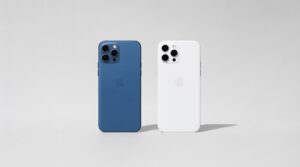
You don’t need to spend $1,000 on a smartphone anymore. The best budget smartphones in 2026 deliver 90% of the flagship experience for 50% of the price — or less. We’ve tested 7 phones under $500 and ranked them by real-world value. Prices are current as of October 2026.
These phones have OLED displays, good cameras, all-day battery life, and multi-year software support. The gap between budget and flagship has never been smaller.
Top Pick: Google Pixel 10a — $499
Chip: Tensor G4 | Display: 6.3-inch | Camera: 48MP dual rear | Battery: 5,100mAh
The Pixel 10a is the best budget smartphone in 2026, period. Launched in March 2026 at $499, it takes photos that punch well above its price — Google’s computational photography is that good. Clean Android software with 7 years of updates, a comfortable 6.3-inch size, and a 5,100mAh battery rated for 30+ hours make this the phone to buy if you’re on a budget.
Why It Wins
- Camera: Photos that punch above the price. Night mode, portrait mode, and Google’s HDR+ processing deliver flagship-style results from the 48MP dual camera
- Software: Clean Android, first to get updates, 7 years of OS and security patches
- Battery: 5,100mAh — the biggest cell ever in a Pixel A-series — rated for 30+ hours, with faster charging than the 9a
- AI features: Google’s AI software ships on board at launch, and 7 years of new features and security updates keep it improving
Trade-offs
- No telephoto lens — digital zoom only
- Tensor G4 is slower than Snapdragon rivals for gaming
- Charging is faster than the 9a’s 18W, but still well short of flagship speeds
Under $300
Motorola Moto G Power 2026 — $200
Best for: Battery life | Chip: Dimensity 7300 | Display: 6.7″ FHD+ 120Hz LCD
The battery champion. The 6,000mAh battery delivers 2-3 days of normal use — no other phone at any price matches this. Clean Android software, 120Hz display, and $200 make this the best phone for people who just need a phone that works and lasts.
Trade-offs: LCD display (not OLED), mediocre camera, only 2 years of updates, slow chip.
Samsung Galaxy A16 — $200
Best for: Samsung on a budget | Chip: Dimensity 6300 | Display: 6.7″ FHD+ 90Hz Super AMOLED
The cheapest way into the Samsung ecosystem. The A16 has a beautiful Super AMOLED display, OneUI software with 5 years of updates, and a decent 50MP camera. At $200, it’s the best display quality at this price.
Trade-offs: 90Hz (not 120Hz). Dimensity 6300 is slow. No ultrawide camera. No NFC on some carriers.
$300-500
Samsung Galaxy A57 — €549
Best for: Best all-round budget Samsung | Launched: May 2026
The A57 is Samsung’s newest mid-ranger and the successor to the A56, which held this spot in our last update. Samsung has kept the A-series formula that made the A56 a pick — a big, polished screen experience, water resistance, and years of updates — while refreshing the internals. In Europe it starts at €549; if that stretches your budget, the A56 has dropped in price since the handover and remains a solid buy.
Trade-offs: Expect the A56’s caveats to carry over — Samsung mid-range chips are fine for daily use but not for serious gaming, and charging stays modest. US pricing and the exact update policy are still to be confirmed.
OnePlus Nord 6 — ~$440
Best for: Performance on a budget | Chip: Snapdragon 8s Gen 4 | Display: 6.78-inch
The fastest phone on this list. The Snapdragon 8s Gen 4 delivers near-flagship performance — it handles gaming, multitasking, and heavy apps smoothly. The 7,500mAh battery is the biggest in this guide and comfortably covers two days. Configurations run from 8GB/256GB up to 12GB/512GB. Unveiled in April 2026, the Nord 6 starts around $440 internationally.
Trade-offs: Camera is below Pixel/Samsung quality. Software support is shorter than Google’s or Samsung’s.
Nothing Phone 2a Plus — $350
Best for: Design and uniqueness | Chip: Dimensity 7350 Pro | Display: 6.7″ FHD+ 120Hz AMOLED
The most interesting phone under $400. The Glyph lights on the back, transparent design, and clean Nothing OS make it stand out in a sea of boring budget phones. Performance is solid, camera is decent, and the software is genuinely enjoyable to use.
Trade-offs: Camera below Pixel. Glyph lights are a gimmick for some. Smaller accessory ecosystem. 3 years of updates.
Xiaomi Redmi Note 14 Pro — $300
Best for: Specs per dollar | Chip: Dimensity 7300 Ultra | Display: 6.67″ FHD+ 120Hz AMOLED
The spec-sheet champion. 200MP main camera, 67W charging, IP68 water resistance, and a gorgeous AMOLED display — all for $300. Xiaomi packs more hardware into this phone than anything else at the price. Available unlocked or via import.
Trade-offs: MIUI software is heavy and ad-supported. Slow updates (2 years). Camera quality doesn’t match the 200MP spec. Not officially sold in all markets.
Comparison Table
| Phone | Price | Chip | Camera | Battery | Charging | Updates |
|---|---|---|---|---|---|---|
| Pixel 10a | $499 | Tensor G4 | ★★★★☆ | 5,100mAh | 30W | 7 years |
| Moto G Power | $200 | Dim 7300 | ★★☆☆☆ | 6,000mAh | 30W | 2 years |
| Galaxy A16 | $200 | Dim 6300 | ★★☆☆☆ | 5,000mAh | 25W | 5 years |
| Galaxy A57 | €549 | Exynos 1680 | ★★★☆☆ | 5,000mAh | 45W | 6 years |
| Nord 6 | ~$440 | SD 8s G4 | ★★★☆☆ | 7,500mAh | 80W | 4 years |
| Phone 2a Plus | $350 | Dim 7350P | ★★★☆☆ | 5,000mAh | 50W | 3 years |
| Redmi Note 14 Pro | $300 | Dim 7300U | ★★★☆☆ | 5,500mAh | 67W | 2 years |
Buying Guide
What to Prioritize at Each Price
- $200: Display quality and battery life. Accept mediocre camera and performance.
- $300-450: Performance and specs per dollar. The OnePlus Nord 6 (~$440) is the performance pick; the Redmi Note 14 Pro packs the most hardware per dollar.
- $450-500: Overall experience. The Pixel 10a gives you near-flagship quality in every category.
Red Flags in Budget Phones
- Less than 2 years of updates — your phone becomes insecure quickly
- No NFC — you can’t use contactless payments
- LCD display at $300+ — OLED should be standard above $250
- 4GB RAM — 6GB minimum for 2026, 8GB for smooth multitasking
- 32GB storage — 128GB minimum, 256GB preferred
When to Spend More
Buy a budget phone if you:
- Use your phone for basics (calls, messaging, social media, photos)
- Don’t play demanding games
- Want to save $500-800 vs a flagship
Buy a flagship if you:
- Play demanding mobile games (Genshin Impact, COD Mobile at max settings)
- Need a telephoto camera for zoom photography
- Want premium build materials (glass/metal vs plastic)
- Need the fastest possible performance for productivity
Frequently Asked Questions
What is the best budget smartphone in 2026?
The Google Pixel 10a at $499 is the best budget smartphone. Its computational photography punches above its price, it runs clean Android with 7 years of updates, and the 5,100mAh battery is rated for 30+ hours. For under $300, the Motorola Moto G Power offers the best battery life.
Are budget smartphones good enough in 2026?
Yes, for most people. A $400-500 phone in 2026 delivers 90% of the flagship experience. The main differences are: telephoto camera, premium materials, faster charging, and peak gaming performance. If you don’t need those, save the money.
How long do budget phones last?
2-5 years depending on the brand. Google Pixel A-series: 7 years of updates. Samsung A-series: 5 years. OnePlus Nord: 3 years. Motorola/Redmi: 2 years. Budget phones also have cheaper batteries that degrade faster — expect to replace the battery after 2 years.
Is the Pixel 10a better than the Galaxy A57?
For camera and software: Pixel 10a wins. For Samsung ecosystem polish: Galaxy A57. The Pixel 10a’s computational photography is the best at this price, and 7 years of updates beat every phone on this list. The A57 counters with Samsung’s ecosystem — but at €549 it costs more, so decide if that premium is worth it to you.
Conclusion
The best budget smartphone in 2026 is the Google Pixel 10a at $499 — flagship-style camera quality, clean software, 7 years of updates, and a 5,100mAh battery. For Samsung, the Galaxy A57 (€549, May 2026) is the current pick — or a price-dropped Galaxy A56 if you’re under that budget. At $200, the Moto G Power gives you unmatched battery life.
Don’t buy a budget phone with less than 2 years of updates, 6GB RAM, or 128GB storage. The phones on this list all meet these minimums — and several far exceed them.
Continue reading: